 Cart is empty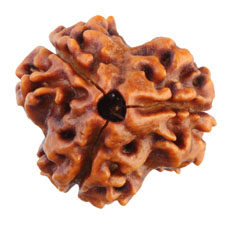
3 Mukhi Rudraksha is a type of sacred seed commonly used in Hindu spiritual practices, particularly within Shaivism. It is characterized by three natural lines (mukhis or faces) on its surface and is associated with powerful spiritual and metaphysical properties.
- Mental Strength
- Stress and Anxiety Relief
- Rejuvenates Health
- Emotional Balance
- Wisdom and Clarity
- Protection from Negative Energies
3 Mukhi Rudraksha is known for its unique benefits and is suitable for various individuals. Here’s who should consider wearing it:
- Students: 3 Mukhi Rudraksha enhances memory and concentration, making it beneficial for students in their studies.
- Professionals: 3 Mukhi Rudraksha can help improve focus and decision-making skills, making it ideal for professionals looking to boost productivity and creativity.
- Individuals Facing Challenges: Those who feel a lack of confidence, motivation, or direction in life can benefit from 3 Mukhi Rudraksha energizing properties.
- People in Creative Fields: Artists, writers, and musicians may find inspiration and clarity by wearing a 3 Mukhi Rudraksha.
- Spiritual Seekers: 3 Mukhi Rudraksha aids in meditation and spiritual practices, helping individuals connect with their inner self and achieve a greater understanding of their purpose.
Before wearing 3 Mukhi Rudraksha, it’s recommended to perform a purification ritual, such as washing it with water and reciting mantras to enhance its effectiveness.
Add the cate
The price and quality of a 3 Mukhi Rudraksha Collector from Nepal can vary widely based on factors such as size, origin, and seller reputation. Generally, the price range for a genuine 3 Mukhi Rudraksha Collector can be anywhere from $50 to $100 or more. Higher quality beads, which are well-formed and have a good sheen, can be more expensive.
It’s important to ensure that you are purchasing from a reputable source, as the market can include imitations. Look for sellers who provide laboratory certification or guarantees of authenticity. Trusted online platforms like saubhagyaratna.com offer laboratory certificates on all their products.
Jewelry made from 3 Mukhi Rudraksha can vary in design, but here are some common details and options typically found in such jewelry:
- Bead Size and Quality:
- The size of a 3 Mukhi Rudraksha Collector bead can vary, with most being between 22mm to 28mm.
- Quality is key; premium beads are often well-rounded, intact, and have a smooth surface, enhancing both aesthetics and energy.
- Stringing Materials:
- Thread: Beads may be strung on cotton, silk, or nylon threads, often depending on the design.
- Chain: For necklaces, it can also be hung on a metal chain (gold, silver, or stainless steel) for durability and a stylish look.
- Design Style:
- Necklaces: Often designed as a single large bead or multiple smaller beads for a necklace.
- Bracelets: May include several beads strung together for wrist wear.
- Rings and Pendants: Rudraksha can also be fashioned into rings or pendants for versatile jewelry options.
- Additional Elements:
- Many designs incorporate complementary materials such as gold or silver caps, gemstones, or charms to enhance the visual appeal and energy of the piece.
- Purification and Energization:
- Typically, the Rudraksha beads are purified (through water, milk, or incense) and energized by a ritual before use to enhance their spiritual properties.
- Occasion:
- While suitable for daily wear, some pieces may also be designed for specific occasions, such as spiritual ceremonies or religious practices.
When purchasing 3 Mukhi Rudraksha jewelry, ensure it is sourced from reputable sellers who provide genuine and ethically sourced beads to benefit from their believed properties.
Cleaning & Care Guide for Nepali Rudraksha
Nepali Rudraksha beads are naturally strong, but they are organic and require periodic care to keep them healthy, durable, and energetically stable.
- Routine Cleaning (Weekly or Monthly)
Method A — Simple Water Clean
- Take a small bowl of clean, lukewarm water.
- Dip the Rudraksha for 3–5 minutes.
- Gently scrub the surface with a soft brush or an old soft toothbrush.
- Rinse with clean water.
- Pat dry with a clean cotton cloth.
Method B — Deep Cleaning (Every 1–2 months)
- Soak the bead in lukewarm water with a pinch of sea salt for 15–30 minutes.
- Brush lightly with a soft brush.
- Rinse thoroughly with clean water.
- Place on a cotton cloth to dry completely.
Oiling the Rudraksha (Very Important)
After cleaning and drying:
- Apply a few drops of pure mustard oil, Or sandalwood oil, Or sesame oil
- Rub gently with fingers so the oil enters the grooves.
- Wipe off excess oil with a cloth.
Oiling prevents:
- Cracking, Drying, Over-absorption of sweat, Premature darkening
Drying Properly
After cleaning:
- Keep the Rudraksha in shade only, never under harsh sunlight.
- Ensure the bead is fully dry before wearing or storing.
Things to Avoid:
Avoid chemicals
- Soap, Detergent, Perfume, Cologne, Hand sanitizer, Any alcohol-based liquid
These can damage the surface and weaken the bead.
Avoid extreme conditions
- Very hot sunlight
- Very hot water
- Wearing in swimming pools or while showering
- Leaving beads in damp environments
Do not varnish or polish
This blocks natural breathing of the seed.
Wearing Care Tips
- Remove before shower, sleep, or heavy sweating if possible.
- If you wear it 24/7, clean it more regularly (sweat and skin oils build up).
- Keep it away from perfumes on your neck or chest area.
Energetic Cleansing (Optional, Traditional)
If you follow traditional practices:
- Place the Rudraksha on a clean cloth.
- Light incense (agarbatti or dhoop).
- Pass the bead through the smoke 3–4 times.
- Chant “Om Namaha Shivaya” or your preferred mantra.
This is optional, depending on personal belief.
Storage Tips
If you’re not wearing the Rudraksha:
- Keep in a cotton pouch or small wooden box.
- Add a small piece of camphor (kapoor) nearby (not touching the bead) to prevent insects.
- Keep it dry.
Summary (Quick Guide)
Do:
- Clean with lukewarm water.
- Use soft-brush scrubbing.
- Dry in shade.
- Oil occasionally.
- Store in cotton/wood.
Avoid:
- Chemicals, soaps, perfumes.
- Excess water exposure.
- Harsh sunlight.
- Polishing or varnish.
If you’re thinking of buying a “3 Mukhi Rudraksha from Nepal,” it’s wise to approach with caution — there are many pitfalls and potential mis-representations. Below is a “Buyer Beware” guide, summarizing common issues, red flags, and how to safeguard yourself.
- Fake or artificially modified beads — Some sellers carve extra grooves or faces to make a bead appear as a higher- or rarer-mukhi type. What looks like extra “mukhis” might be carved or glued, rather than natural.
- Polished, dyed or treated beads — A real Rudraksha should have a natural, rough, woody texture. If it looks unnaturally smooth, glossy, or uniformly colored, that’s a major red flag.
- Fake “certificates” or forged lab-reports — Some sellers use “Certificates of Authenticity” to lure unsuspecting buyers. But there’s growing concern over false certifications, especially from unverified or newly created labs.
- Misleading origin claims (e.g. “Nepal”) — Beads sold as “Nepali Rudraksha” may in fact come from elsewhere (e.g. Indonesia or India), or be synthetic. Some unscrupulous sellers exploit buyers’ trust in “Nepal origin” to overcharge.
- Overhyped promises & unfounded spiritual or healing claims — Sellers often promise outsized benefits: instant spiritual power, medicinal advantages, astrological fixes, etc. Many of these claims are unsubstantiated and meant to inflate price/value.
If you want to buy, here are prudent steps to minimize risk:
- Visual inspection under magnification — Examine the bead closely (ideally with a magnifying glass). The grooves (mukhis) should look natural, uneven, and organic. Perfect, machine-straight grooves are suspect.
- Check for natural texture, not polish — Real beads have rough, woody, irregular texture. If it’s too smooth, shiny or uniform in color, likely fake or tampered.
- Water / sink test (only preliminary) — Many genuine Rudraksha beads sink when dropped in water because of their density. But this test is not definitive — some fakes are weighted or artificially treated to sink. Use it only as a rough check, not conclusive proof.
- Prefer lab-certified beads with credible certificates — If possible, buy only from sellers who provide a lab certification (e.g. X-ray report showing internal structure and internal seed count matching the mukhis).
- Buy from reputable, experienced dealers — Prefer long-established sellers with transparent practices (proof of origin, willingness to show bead before purchase, documented return policy). Avoid flash-in-the-shops, flashy marketing, or too-good-to-be-true offers.
- Be skeptical of exaggerated claims — If the seller promises guaranteed health benefits, magical energy transformations, unlocking of spiritual powers etc., treat such claims with caution. Real Rudraksha — if genuine — is traditionally believed to support spiritual practices, but not as a magic bullet.