 Cart is empty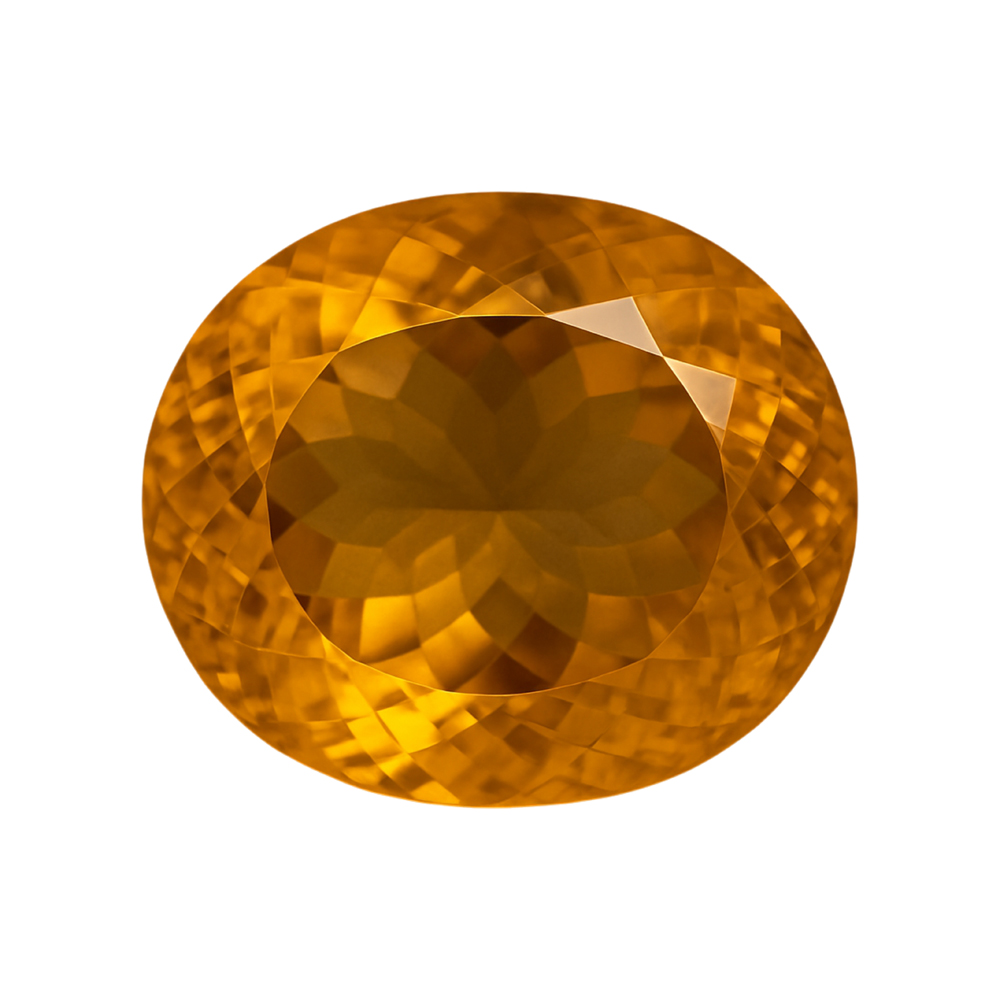
Citrine gemstone is associated with positivity, abundance, and energy in Astrology. It is believed to bring luck, boost confidence, and improve financial prospects. Often linked to the solar plexus chakra, Citrine is considered a powerful stone for manifesting success and personal growth, especially for those ruled by the Sun or related to the zodiac signs Leo, Gemini, and Aries.
- Growth in business
- Prosperity and Abundance
- Increases Wisdom
- Provides Spiritual Protection
- Sudden Gain
- Emotional Balance
Citrine is often associated with various metaphysical and healing properties, although it’s important to note that these claims are not scientifically proven. Here are some of the purported benefits of Citrine:
- Manifestation and Abundance: Citrine is often called the “Merchant’s Stone” or the “Success Stone” because it’s believed to attract wealth, prosperity, and success. It’s thought to carry the energy of the sun, bringing warmth, joy, and abundance into one’s life.
- Creativity and Imagination: Some people believe that Citrine can stimulate creativity and enhance imagination. It’s thought to encourage self-expression and inspire new ideas and projects.
- Mental Clarity and Confidence: Citrine is said to promote mental clarity, focus, and concentration. It may help dispel negative thoughts and emotions, fostering a positive outlook and boosting confidence and self-esteem.
- Energy and Vitality: Citrine is believed to have energizing properties, helping to invigorate the body and mind. It’s often used to combat fatigue and lethargy, promoting vitality and enthusiasm for life.
- Emotional Balance: Citrine is thought to balance emotions, soothe anxiety, and promote inner peace and harmony. It may help alleviate feelings of depression, fear, and stress, replacing them with feelings of optimism and joy.
- Chakra Cleansing and Balancing: In some spiritual practices, Citrine is associated with the solar plexus chakra, which governs self-confidence, personal power, and emotional stability. It’s believed to cleanse and balance this chakra, promoting a sense of empowerment and self-assurance.
- Physical Healing: While not scientifically proven, Citrine is sometimes used in crystal healing to aid in the treatment of various physical ailments. It’s said to support digestion, metabolism, and circulation, as well as promote overall well-being.
It’s important to remember that these purported benefits are based on anecdotal evidence and traditional beliefs rather than scientific research. As with any alternative therapy or complementary medicine, individual experiences with Citrine may vary, and it’s always advisable to consult with a qualified healthcare professional for any medical concerns.
Citrine comes in various types and classifications based on factors such as color, clarity, and origin. Here are some common types of Citrine:
- Natural Citrine: Natural citrine refers to Citrine that forms naturally in the earth’s crust without human intervention. It typically exhibits a range of yellow to golden-orange hues and is prized for its rarity and authenticity.
- Heat-Treated Citrine: Much of the Citrine available on the market is heat-treated amethyst or smoky quartz. Heat treatment at high temperatures alters the crystal’s color, turning it into shades of yellow or orange. While heat-treated Citrine is still considered genuine, some purists prefer natural Citrine for its authenticity.
- Amethyst-Citrine: Sometimes referred to as ametrine, this is a unique gemstone that combines both amethyst and Citrine colors in a single crystal. The boundary between the purple amethyst and yellow Citrine can vary, creating beautiful bi-color gemstones.
- Brazilian Citrine: Brazil is a significant producer of Citrine, known for its high-quality gemstones. Brazilian Citrine often exhibits rich, vibrant colors ranging from pale yellow to deep orange. It’s highly sought after for its clarity and brilliance.
- Spanish Citrine: Citrine from Spain is known for its distinct color and clarity. Spanish Citrine tends to have a slightly reddish or amber tone compared to Citrine from other regions.
- Madagascar Citrine: Citrine from Madagascar is prized for its intense yellow color and exceptional clarity. It often displays a vivid, sunny hue that makes it highly desirable for gemstone.
- Uruguayan Citrine: Citrine from Uruguay is valued for its deep, golden-orange color and exceptional transparency. It’s often found in large crystal formations and is sought after by collectors and jewelry designers.
- Siberian Citrine: Citrine from Siberia, Russia, is known for its unique coloration, often featuring hues of golden yellow with hints of orange and brown. Siberian Citrine is typically found in smaller sizes but is prized for its natural beauty.
These are just a few examples of the types of Citrine available, each with its own characteristics and appeal. When choosing Citrine, it’s essential to consider factors such as color, clarity, and origin to find the perfect gemstone for your needs and preferences.
The price of Citrine can vary depending on several factors, including its type, color, clarity, size, and quality. Here are some common types of Citrine along with general price ranges:
- Natural Citrine: Natural Citrine is relatively rare and typically commands higher prices compared to heat-treated Citrine. Prices for natural Citrine can range from $10 to $100 per carat for smaller stones with good color and clarity, while larger, higher-quality specimens can be several hundred dollars per carat or more.
- Heat-Treated Citrine: Heat-treated Citrine, which is often amethyst or smoky quartz treated to achieve its yellow or orange color, is more common and generally more affordable than natural Citrine. Prices for heat-treated Citrine can vary widely depending on factors such as color intensity and clarity but typically range from $5 to $50 per carat for medium to high-quality stones.
- Amethyst-Citrine (Ametrine): Ametrine, a natural gemstone that combines both amethyst and Citrine colors in a single crystal, is relatively rare and can be more expensive than pure citrine or amethyst. Prices for ametrine can range from $20 to $200 per carat or more, depending on the clarity and color separation between the two hues.
- Brazilian Citrine: Brazilian Citrine is known for its vibrant color and clarity, making it highly sought after for jewelry. Prices for Brazilian Citrine can range from $10 to $100 per carat for medium to high-quality stones, with larger, more vivid specimens commanding higher prices.
- Madagascar Citrine: Citrine from Madagascar is prized for its intense yellow color and exceptional transparency. Prices for Madagascar Citrine can vary depending on quality but generally range from $10 to $80 per carat for medium to high-quality stones.
- Uruguayan Citrine: Citrine from Uruguay is valued for its deep, golden-orange color and exceptional clarity. Prices for Uruguayan Citrine can range from $20 to $150 per carat for medium to high-quality stones.
- Siberian Citrine: Siberian Citrine from Russia is known for its unique coloration and can command higher prices than Citrine from other regions. Prices for Siberian citrine can vary depending on quality but generally range from $15 to $100 per carat for medium to high-quality stones.
It’s important to note that these price ranges are general estimates and can vary based on market demand, gemstone quality, and individual seller pricing. Additionally, prices may fluctuate over time due to factors such as supply availability and economic conditions. When purchasing Citrine or any gemstone, it’s advisable to buy from reputable dealers who can provide certification and assurance of authenticity.
Here are detailed jewelry considerations for Citrine gemstone:
Jewelry Details for Citrine Gemstones
Common Jewelry Types:
- Rings
- Pendants
- Earrings
- Bracelets
- Beads and carvings
Design Styles:
- Solitaires: Showcasing the gemstone as the centerpiece.
- Cluster and Halo: Surrounding the Citrine with smaller diamonds or gemstones to enhance its brilliance.
- Vintage and Art Deco: Incorporating Citrine in intricate, antique-inspired designs.
- Modern Minimalist: Simple settings highlighting the warm color of Citrine.
Setting Suggestions:
- Prongs: Classic and secure, suitable for most styles.
- Bezel: Encircles the stone with a metal rim, offering extra protection.
- Channel or Bar: For continuous rows of smaller stones or for stacking.
Popular Metal Choices:
- Gold (yellow, white, rose)
- Silver or Sterling Silver
- Platinum
Size and Cut:
- Common cuts include oval, round, cushion, pear, and rectangle.
- Size ranges from small accent stones to large statement pieces.
- Consider the cut that best displays the gem’s color and clarity.
Symbolism and Style:
- Citrine is associated with positivity, prosperity, and warmth.
- Suitable for both casual and formal jewelry pieces.
Matching and Pairing:
- Often paired with diamonds or other colored gemstones like topaz or amethyst.
- Complementary colors or contrasting metals can enhance the overall look.
Here’s a guide for cleaning and caring for Citrine gemstone:
Cleaning & Care for Citrine Gemstones
Cleaning Instructions:
- Gentle Cleaning: Use warm, soapy water with a mild dish soap. Soak the Citrine for a few minutes.
- Soft Brush: Gently scrub the gemstone with a soft toothbrush or cloth to remove dirt and oils.
- Rinse & Dry: Rinse thoroughly with clean water and pat dry with a soft, lint-free cloth.
- Avoid Harsh Chemicals: Do not use bleach, ammonia, or commercial jewelry cleaners that contain harsh chemicals, as they can damage the gemstone.
Caring Tips:
- Avoid Extreme Temperatures: Excessive heat or sudden temperature changes can crack or discolor Citrine.
- Store Properly: Keep Citrine jewelry separate from other gemstones to prevent scratches. Use a soft pouch or jewelry box.
- Limit Sun Exposure: Prolonged exposure to direct sunlight may fade the color over time.
- Regular Inspection: Check settings and prongs regularly to ensure the gemstone remains secure.
- Professional Cleaning: Have your Citrine professionally cleaned and inspected periodically, especially if set in jewelry.
Note: While Citrine is relatively durable, it is a quartz family gemstone, and care should be taken to prevent scratches, chips, or cracks.
Buyers Beware: Citrine Gemstones
- Natural vs. Treated: Many Citrine gemstones on the market are heat-treated amethyst or smoky quartz. While heat treatment is generally stable, it is important to confirm whether the Citrine is natural or enhanced, as treated stones are less valuable.
- Color Consistency: Genuine Citrines typically display a warm, orange to yellow hue. Variations in color could indicate heat-treated stones or other synthetic processes. Be cautious of stones with overly vibrant or uniform colors, which may be artificially enhanced.
- Cost and Price: High-quality natural Citrine can be expensive; beware of very low-priced stones that may be synthetic, dyed, or heavily treated.
- Inclusions and Clarity: While some inclusions are common, heavily included or cloudy stones may affect value. Always examine the clarity and ask for a professional assessment if uncertain.
- Certification: Reputable sellers provide certificates of authenticity from recognized gemological laboratories. Always request certification to verify natural origin and treatments.
- Source and Seller Reputation: Purchase from reputable dealers with positive reviews and transparent information about gemstone sourcing and treatments.
Tips for Buyers:
- Ask about the origin and treatments of the Citrine.
- Request proper certification.
- Inspect the stone’s color, clarity, and cut.
- Be cautious of prices that seem too good to be true.
Featured Products