 Cart is empty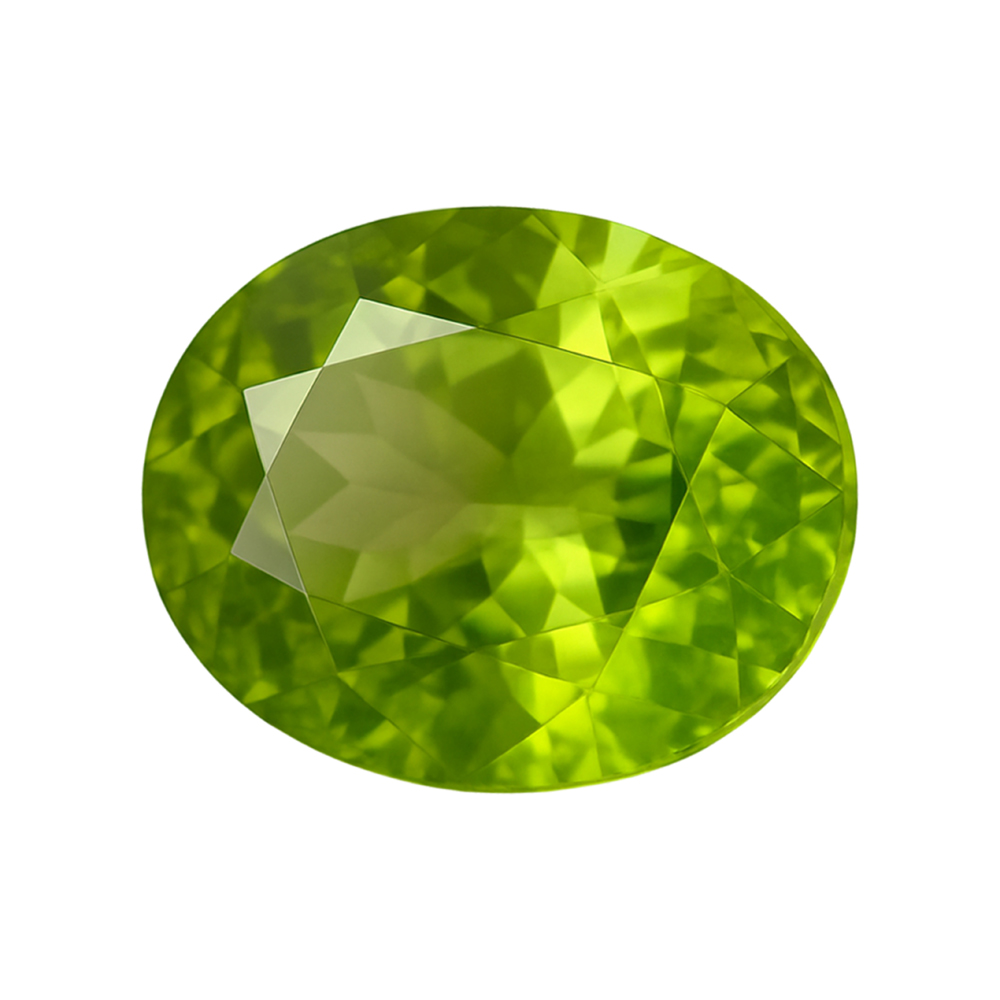
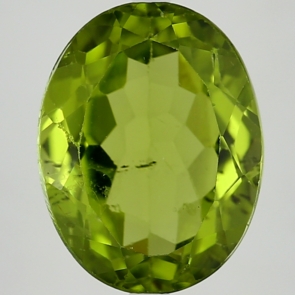
Peridot, the birthstone for Leo and Virgo, is renowned in Astrology for its empowering and protective qualities. It is believed to promote positivity, emotional healing, and mental clarity, helping to reduce stress and bring about a sense of reassurance. Additionally, Peridot is thought to attract abundance, enhance confidence, and foster personal growth, making it a valuable stone for those seeking emotional balance and prosperity.
- Activate Heart Chakra
- Enhanced Intuition and Psychic Abilities
- Prosperity and Abundance
- Wisdom and Clarity
- Creativity and Imagination
- Ruling Planet: Peridot is associated with the planet Mercury, linking it to communication, intellect, and versatility.
- Zodiac Sign: It’s particularly connected to Gemini and Virgo, both ruled by Mercury, making it a stone that can resonate with individuals born under these signs.
- Birthstone: Peridot is a birthstone for August, making it a meaningful gem for those born in this month.
- Growth and Renewal: Peridot is often seen as a stone of growth, renewal, and transformation. It’s believed to help release old patterns and promote positive change.
- Emotional Balance: This gemstone is thought to bring emotional balance, helping to alleviate stress, anxiety, and negative emotions.
- Clarity and Confidence: Peridot is associated with enhancing clarity of thought, boosting confidence, and promoting openness in communication.
- Physical Healing: In some traditions, Peridot is believed to support healing related to the heart, lungs, and digestive system.
- Emotional Healing: It’s thought to help heal emotional wounds, foster compassion, and encourage letting go of past hurts.
- Wearing Peridot: Wearing Peridot jewelry is believed to attract positive energies related to communication, growth, and emotional well-being.
- Meditation: Using Peridot in meditation practices may help focus on renewal, clarity, and releasing negativity.
In Vedic Astrology, Peridot is associated with the planet Mercury (Budh). It is often recommended for individuals whose birth charts indicate weak or afflicted Mercury. Here are some specific conditions under which wearing Peridot may be advised:
- Gemini and Virgo Ascendants: Mercury rules these signs, so wearing Peridot can be beneficial for individuals with Gemini (Mithuna) or Virgo (Kanya) as their ascendant or moon sign.
- Afflicted Mercury: If Mercury is weak, debilitated, or negatively affected by malefic planets in one’s horoscope, wearing Peridot can help strengthen its influence and mitigate adverse effects.
- Mercury Mahadasha or Antardasha: During the main period (Mahadasha) or sub-period (Antardasha) of Mercury, wearing Peridot can enhance Mercury’s positive attributes and reduce challenges associated with this period.
- Profession and Education: Since Mercury governs intellect, communication, and analytical abilities, individuals involved in professions related to writing, communication, education, and trading might benefit from wearing Peridot.
- Specific Ailments: Peridot is believed to help with ailments related to the nervous system, skin, speech, and memory. If a person’s health issues are linked to a weak Mercury, wearing Peridot might be recommended.
- Specific Purposes: Peridot is said to enhance intelligence, improve communication skills, and increase focus and concentration. People seeking improvements in these areas might consider wearing this gemstone.
Important Considerations:
- Consultation: It is important to consult with a knowledgeable Vedic astrologer before wearing Peridot gemstone. They can analyze your birth chart to determine whether Peridot is suitable for you.
- Proper Rituals: The gemstone should be worn following proper rituals and energization (pran pratishtha) to ensure it works effectively.
- Quality and Authenticity: Ensure the Peridot is of good quality and authentic, as inferior or fake stones may not provide the desired results.
Peridot is traditionally worn in a gold or silver ring or pendant and should be worn on the little finger of the right hand for men and women, preferably on a Wednesday, which is ruled by Mercury.
In Vedic Astrology, Peridot gemstone is associated with the planet Mercury (Budh). Wearing Peridot is believed to bring numerous benefits, enhancing various aspects of an individual’s life. Here are the key benefits of wearing Peridot according to Vedic astrology:
- Enhanced Intellectual Abilities: Peridot is believed to sharpen the intellect, improve memory, and enhance analytical and logical reasoning skills. It is especially beneficial for students, researchers, and professionals in fields that require strong mental acuity.
- Improved Communication Skills: As Mercury governs communication, Peridot is thought to improve verbal and written communication abilities. It helps individuals express their thoughts clearly and effectively, making it beneficial for writers, teachers, public speakers, and those in negotiation roles.
- Mental Clarity and Focus: Wearing Peridot can provide mental clarity, helping individuals to focus better and reduce distractions. It is useful for people who need to maintain concentration and sharpness in their work.
- Emotional Balance and Stress Reduction: Peridot is believed to have a calming effect on the mind, reducing anxiety, stress, and emotional turbulence. It promotes a sense of inner peace and emotional stability, contributing to overall well-being.
- Healing Properties: In Vedic astrology, Peridot is thought to have healing effects on the nervous system, skin, digestive system, and speech-related issues. It is considered beneficial for alleviating health problems associated with these areas.
- Financial Prosperity: As Mercury is associated with commerce, trade, and wealth, wearing Peridot is believed to attract financial prosperity and success in business endeavors. It is particularly beneficial for businesspersons, traders, and individuals involved in financial markets.
- Harmonious Relationships: Peridot is said to foster harmony and understanding in relationships, helping to resolve conflicts and improve interactions with others. It can enhance relationships with family, friends, and colleagues by promoting clear and compassionate communication.
- Career Advancement: Wearing Peridot can enhance career prospects by boosting confidence, decision-making abilities, and professional skills. It supports career growth and recognition, particularly in fields related to communication, education, and commerce.
- Spiritual Growth: Peridot is believed to aid in spiritual growth and awareness, helping individuals in their meditation practices and pursuit of spiritual knowledge. It aligns the wearer’s mind with higher wisdom and enlightenment.
Consultation: Always consult with a qualified Vedic astrologer before wearing Peridot to ensure it is suitable for your birth chart and specific astrological conditions.
The quality of Peridot, like other gemstones, is evaluated based on several key factors: color, clarity, cut, and carat weight. Here’s a detailed look at each of these criteria:
- Color
- Hue: The most desirable color for Peridot is a pure, vibrant green. The ideal hue is free of yellow or brown tones.
- Tone: The tone should be medium to medium-dark. Stones that are too light can appear washed out, while those that are too dark can appear dull.
- Saturation: High-quality Peridot has a rich, intense color. Stones with vivid saturation are more valuable.
- Clarity
- Inclusions: Peridot is generally eye-clean, meaning it should have no visible inclusions to the naked eye. Common inclusions in Peridot can include black spots (chromite) or reflective disc-shaped inclusions.
- Transparency: High-quality Peridot is transparent. Stones that are cloudy or have numerous inclusions are less valuable.
- Cut
- Precision: The cut of a Peridot significantly affects its brilliance and overall appearance. A well-cut Peridot will have symmetrical facets that maximize the stone’s luster and color.
- Shapes: Peridot is cut into various shapes, including round, oval, pear, and cushion. The choice of shape often depends on the stone’s original form and the presence of inclusions.
- Faceting: Good faceting is crucial for enhancing the stone’s brilliance. A poorly cut Peridot can appear dull even if it has good color and clarity.
- Carat Weight
- Size: Peridot is available in a wide range of sizes. Smaller stones (less than 5 carats) are more common, while larger stones (over 10 carats) are rare and more valuable.
- Proportion: Larger stones often command higher prices per carat, especially if they maintain good color and clarity.
Additional Factors
- Origin: The source of Peridot can also influence its quality and value. For example, Burmese and Pakistani Peridots are often highly prized for their exceptional color and clarity.
- Treatment: High-quality Peridot is typically untreated. Stones that have undergone treatments to enhance their color or clarity might be less valuable.
The prices for Peridot can vary widely, but here are some general ranges based on quality and size:
- Small Stones (1-3 carats):
Commercial Quality: Rs 200 – Rs500 per carat
Good Quality: Rs 500 – Rs 1000 per carat
High Quality: Rs 1000 – Rs 2000 per carat
- Medium Stones (3-5 carats):
Commercial Quality: Rs 200 – Rs 500 per carat
Good Quality: Rs 1000 – Rs 1500 per carat
High Quality: Rs 1500 – Rs 2500 per carat
- Large Stones (5-10 carats):
Commercial Quality: Rs 800 – Rs 1200 per carat
Good Quality: Rs 1200 – Rs 1500 per carat
High Quality: Rs 1500 – Rs 2500 per carat
- Extra Large Stones (over 10 carats):
Commercial Quality: Rs 1000 – Rs 1500 per carat
Good Quality: Rs 1500 – Rs 2500 per carat
High Quality: Rs 2500 – Rs 5000 per carat
Special Considerations
- Exceptional Stones: Very high-quality Peridots with exceptional color and clarity can exceed these price ranges, especially if they are over 10 carats.
- Pairs and Matched Sets: Peridot stones that are well-matched in color and size for earrings or other jewelry sets can also command premium prices.
- Treatments: While Peridot is typically untreated, any treatments (if disclosed) can affect the price. Untreated, natural stones are generally preferred.
Market Variability
Prices for gemstones, including Peridot, can fluctuate based on market demand, availability, and economic conditions. It’s advisable to check current market trends and seek valuations from reputable gem dealer.
- Rings: Peridot rings are popular, often featuring the stone as a solitaire or surrounded by diamonds for added sparkle.
- Necklaces: Peridot necklaces range from delicate pendants to statement pieces, showcasing the gemstone’s beauty.
- Earrings: Peridot earrings add a pop of color and can be found in stud or drop styles.
- Bracelets: Peridot bracelets are great for layering or solo styling, offering a touch of green elegance.
- Gold: Yellow gold complements Peridot’s green hue beautifully, though rose gold is also a lovely pairing.
- Silver: Sterling silver settings are common and provide a sleek contrast to the gemstone.
- Bezel Settings: These protective settings are great for Peridot’s moderate hardness (6.5-7 on the Mohs scale).
- Mild Soap and Water: Use lukewarm water with a mild soap. Gently clean with a soft brush (like a toothbrush) to remove dirt.
- Rinse Thoroughly: Rinse the stone under lukewarm running water to remove soap residue.
- Dry Gently: Pat dry with a soft, lint-free cloth.
- Avoid Ultrasonic Cleaners: Peridot can be damaged by ultrasonic cleaners due to potential inclusions or treatments.
- No Harsh Chemicals: Avoid bleach, ammonia, or other harsh chemicals; they can damage the stone or settings.
- Hardness: Peridot has a hardness of 6.5-7 on the Mohs scale, meaning it’s relatively durable but can scratch with rough handling.
- Avoid Extreme Temperatures: Sudden temperature changes might cause fractures in stones with inclusions.
- Protect from Scratches: Store Peridot jewelry separately to avoid scratches from harder gemstones.
- Remove During Activities: Take off Peridot jewelry during heavy work, sports, or activities that could cause impact or scratches.
- Professional Check: Have jewelry checked periodically by a professional for setting security and overall condition.
- Soft Pouch: Store Peridot jewelry in a soft pouch or cloth-lined box to prevent scratches.
- Separate Storage: Keep it separate from other jewelry, especially harder stones like diamonds or sapphires.
- Setting Protection: Bezels or protective settings can help safeguard Peridot stones from damage.
- Check Settings Regularly: Ensure prongs or settings aren’t loose.
- Inclusions: Peridots often have inclusions; handle with care to minimize risk of damage.
- Oiling: Some Peridots might be oiled for appearance enhancement; check with a jeweler about specifics if concerned.
- Natural vs. Synthetic: Ensure you’re buying a natural Peridot. Synthetic Peridots exist, so ask for certification from reputable labs.
- Treatments: Some Peridots might be treated (like heat treatment), so clarity on treatments is important.
- Inclusions: Peridots often have inclusions like “lily pads” or tiny fractures; high-quality stones have fewer visible inclusions.
- Color: Peridot’s value lies in its vibrant green color. Deep green to olive green are prized colors.
- Clarity: Eye-clean stones (minimal visible inclusions) are more valuable.
- Cut: A well-cut Peridot enhances brilliance.
- Carat: Larger Peridots are rarer and generally more valuable.
- Origin: Peridots come from places like Arizona (USA), China, Pakistan (Supreme quality from Kashmir/Pakistan). Origin can impact value.
- Ethical Sourcing: Consider ethically sourced stones, as with any gemstone.
- Price Variability: Prices vary widely based on quality, size, and origin. Be wary of deals that seem too good to be true.
- Market Trends: Keep an eye on market trends; Peridot prices can fluctuate.
- Buy from Reputation Sellers: Deal with established, reputable jewelers or gem dealers.
- Get Certification: Ask for gemological reports for authentication and quality details.
- Inspect Carefully: Look for stones that are well-cut and have desirable color.
- Unrealistic Prices: Extremely low prices might indicate synthetic or treated stones.
- Lack of Documentation: Sellers should provide some form of authentication or be transparent about the stone’s characteristics.
- Pressure Sales: Be cautious of high-pressure sales tactics; take time to research and decide.
Featured Products