 Cart is empty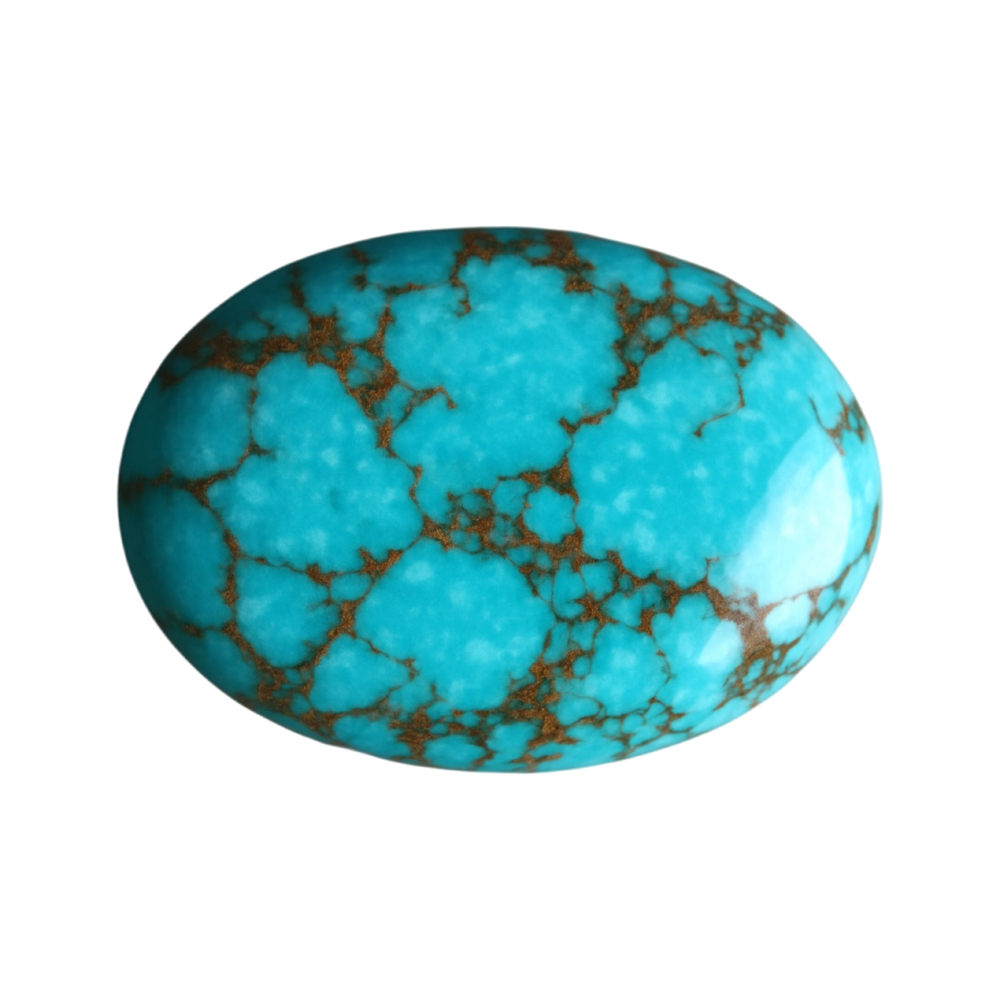
Turquoise in Vedic Astrology is regarded as a powerful and versatile gemstone with numerous benefits for the mind, body, and spirit. Turquoise, known for its striking blue-green color, has been valued for centuries for its beauty and metaphysical properties. In various cultures and spiritual practices, Turquoise is believed to offer a wide range of benefits.
- Increases Wisdom
- Creativity and Imagination
- Emotional Balance
- Clarity and Mental Focus
- Prosperity and Abundance
Add the category of product details here.
In Vedic Astrology, gemstones are recommended based on an individual’s horoscope, particularly their planetary positions and influences. Turquoise, a semi-precious stone, is associated with the planet Jupiter (Brihaspati) and Venus (Shukra) due to its calming blue-green color and metaphysical properties. Here are some guidelines on who should wear Turquoise:
- Strengthening Jupiter or Venus:
- If Jupiter is well-placed but weak in your horoscope, wearing Turquoise can help strengthen its positive effects. This can be beneficial for enhancing wisdom, spiritual growth, and good fortune.
- Similarly, if Venus is favorable but weak, Turquoise can be used to amplify its benefits related to love, beauty, artistic talents, and financial prosperity.
- Ascendant and Moon Sign Compatibility:
- People with Sagittarius (Dhanu) or Pisces (Meena) as their ascendant or Moon sign may benefit from wearing Turquoise, as Jupiter rules these signs.
- Taurus (Vrishabha) and Libra (Tula) ascendants or Moon signs may also find Turquoise beneficial due to Venus’ rulership over these signs.
- Specific Astrological Houses:
- If Jupiter or Venus is the ruler of auspicious houses in your natal chart, wearing Turquoise can enhance the positive effects of those houses. For example, if Jupiter rules the 1st, 5th, or 9th houses (considered beneficial houses), Turquoise can be advantageous.
- Similarly, for Venus, if it rules the 1st, 4th, 7th, or 10th houses, Turquoise can be helpful.
- Balancing Energies:
- Turquoise is known for its calming and balancing properties. If an individual’s horoscope shows a need for emotional stability or protection from negative energies, wearing Turquoise might be recommended.
- Health Benefits:
- Turquoise is believed to have healing properties, especially for ailments related to the throat, lungs, and immune system. If your horoscope indicates vulnerability in these areas, Turquoise could be beneficial.
Before wearing any gemstone, including Turquoise, it’s crucial to consult a knowledgeable Vedic astrologer who can analyze your specific horoscope and provide personalized recommendations. This ensures that the gemstone aligns with your unique astrological configuration and life circumstances.
Here are some key benefits of wearing a Turquoise gemstone:
Emotional Healing: Turquoise is known for its calming and soothing properties. It helps alleviate stress, anxiety, and depression, promoting a sense of inner peace and emotional balance.
Throat and Respiratory Health: Turquoise is believed to support throat health and alleviate issues related to the throat and lungs, such as sore throats, asthma, and infections.
Immune System: It is thought to strengthen the immune system and aid in overall physical well-being.
Anti-Inflammatory: Turquoise may help reduce inflammation and alleviate symptoms of rheumatism and other inflammatory conditions.
Spiritual Growth: Turquoise is considered a powerful stone for enhancing spiritual growth and self-realization. It aids in deepening meditation practices and connecting with higher spiritual realms. It is also believed to enhance intuition and psychic abilities, facilitating better communication with the spiritual world.
Protection: Turquoise is regarded as a protective stone that guards against negative energies, evil eye, and accidents. It is often worn as an amulet for safety and protection.
Chakra Alignment: Associated with the Throat Chakra (Vishuddha), Turquoise helps clear blockages and enhances communication, self-expression, and truth. It aids in speaking one’s truth and expressing oneself clearly and confidently.
Mental Clarity and Wisdom: Turquoise promotes mental clarity and wisdom. It helps in making sound decisions, enhancing problem-solving skills, and fostering a rational and balanced mindset.
Enhanced Communication: By balancing the Throat Chakra, Turquoise improves communication skills. It helps in expressing thoughts and feelings effectively, making it beneficial for those in professions requiring clear communication, such as teachers, speakers, and writers.
Relationship Harmony: Turquoise fosters love, empathy, and harmonious relationships. It helps in resolving conflicts, promoting understanding, and strengthening bonds between partners, family members, and friends.
Creativity and Innovation: Turquoise is believed to inspire creativity and originality. It enhances artistic expression and innovation, making it a valuable stone for artists, musicians, writers, and anyone involved in creative pursuits.
Financial Prosperity: Turquoise is thought to attract wealth and success in business and professional endeavors. It can help in achieving financial stability and prosperity.
Self-Realization and Inner Strength: Turquoise encourages self-awareness and introspection. It helps in understanding one’s true self and aligning with one’s life purpose. It also boosts confidence and inner strength, helping individuals overcome challenges and achieve their goals.
Balancing Emotions and Mood: Turquoise can help stabilize mood swings and bring emotional balance. It is beneficial for those dealing with emotional instability or heightened emotions.
In conclusion, Turquoise is a versatile gemstone with numerous benefits for the mind, body, and spirit. However, it is important to ensure that the gemstone suits your individual needs and astrological chart by consulting with a knowledgeable astrologer or gemstone expert before wearing it.
The quality of Turquoise gemstones is determined by several factors, including color, texture, matrix patterns, hardness, and treatments. Here’s a detailed look at these factors:
Color:
Ideal Hue: The most prized Turquoise color is a rich, even sky blue or robin’s egg blue. This vibrant hue is often associated with Persian or Sleeping Beauty Turquoise.
Other Hues: Turquoise can also come in various shades of green, from pale green to deep green. While some collectors appreciate these hues, they are generally less valuable than the intense blue.
Color Consistency: High-quality Turquoise should have an even color throughout the stone without any blotches or uneven areas.
Texture and Porosity:
Smooth Texture: The best Turquoise has a smooth, fine texture and is relatively free of pits or rough patches.
Low Porosity: High-quality Turquoise is less porous, making it more durable and less prone to discoloration or damage. Less porous stones also take a better polish, resulting in a more lustrous appearance.
Matrix Patterns:
Matrix: The matrix is the host rock in which Turquoise forms. It often appears as black, brown, or golden veins running through the stone.
Desirable Patterns: While some Turquoise collectors prefer stones without any matrix (known as “clear” Turquoise), others appreciate the character that matrix patterns add. Spider web matrix, which features intricate, web-like patterns, is particularly valued.
Matrix Balance: The matrix should complement the Turquoise color rather than overpower it. A well-balanced matrix can enhance the stone’s beauty.
Hardness:
Mohs Hardness Scale: Turquoise has a Mohs hardness of 5-6, which is relatively soft, compared to many gemstones. Higher quality Turquoise tends to be harder and less prone to scratching or damage.
Durability: Less porous and harder turquoise is more durable and retains its polish better over time.
Treatments and Enhancements:
Natural vs. Treated: Natural Turquoise, which has not been treated or stabilized, is the most valuable. However, because Turquoise is relatively soft and porous, many stones are treated to enhance their durability and color.
Stabilized Turquoise: This common treatment involves impregnating the stone with a clear resin to improve its hardness and color stability. While stabilized Turquoise is less valuable than natural Turquoise, it is more durable and suitable for everyday wear.
Dyed Turquoise: Lower-quality Turquoise may be dyed to enhance or change its color. Dyed Turquoise is less valuable and can be identified by its unnaturally intense or uneven color.
Reconstituted Turquoise: Small fragments of Turquoise are ground into a powder, mixed with resin, and formed into blocks. This type is significantly less valuable and considered a commercial-grade product.
Origin:
Reputation of Mines: The origin of Turquoise can affect its value. Stones from famous mines like those in Persia (Iran), the Sleeping Beauty mine (Arizona, USA), and the Royston mine (Nevada, USA) are often more valuable due to their historical significance and the consistent quality of their output.
Historical and Cultural Value: Some origins carry cultural and historical significance, adding to the stone’s overall value.
Conclusion
When evaluating Turquoise, it’s important to consider these factors to determine the stone’s overall quality and value. High-quality Turquoise will exhibit a vibrant and even color, smooth texture, desirable matrix patterns, appropriate hardness, and minimal treatments. Understanding these aspects can help you select the best Turquoise gemstone for your needs and preferences.
The price of Turquoise gemstones can vary widely based on several factors, including color, texture, matrix patterns, hardness, treatments, and origin. Here’s a detailed breakdown of the factors that influence the price of Turquoise and a general idea of pricing:
Factors Influencing Turquoise Prices
Color:
Top-Quality Blue: The most prized Turquoise, with a clear, intense sky blue or robin’s egg blue color, commands the highest prices. This type is often referred to as Persian or Sleeping Beauty Turquoise.
Green Shades: Turquoise with green hues is generally less expensive than the classic blue, although some collectors may value certain green varieties highly.
Texture and Porosity:
Smooth Texture: Turquoise with a smooth, fine texture and low porosity is more valuable as it takes a better polish and is more durable.
Porosity: Less porous stones are preferred and priced higher.
Matrix Patterns:
Clear Turquoise: Stones without any matrix are highly sought after and more expensive.
Spider web Matrix: Intricate spider web matrix patterns can add value to the stone, but the matrix should complement rather than dominate the Turquoise color.
Heavy Matrix: Stones with heavy or unattractive matrix patterns are generally less valuable.
Hardness:
Higher Hardness: More durable Turquoise that resists scratching and holds polish better will be priced higher.
Treatments and Enhancements:
Natural Turquoise: Untreated natural Turquoise is the most valuable.
Stabilized Turquoise: This is less expensive than natural Turquoise but still valuable and durable.
Dyed or Reconstituted Turquoise: These types are significantly less valuable and are usually priced at the lower end of the spectrum.
Origin:
Famous Mines: Turquoise from renowned mines like those in Iran (Persian Turquoise), the Sleeping Beauty mine in Arizona, and the Royston mine in Nevada typically commands higher prices due to their historical and consistent quality.
Lesser-Known Origins: Turquoise from less famous mines can be more affordable but varies widely in quality and price.
Price Ranges
High-Quality Turquoise:
Top-Grade Stones: Exceptional quality Turquoise with a vibrant, even blue color, minimal matrix, and no treatments can range from Rs 1000 to Rs 2000 per carat, depending on the specific characteristics and origin.
Persian and Sleeping Beauty Turquoise: These can fetch higher prices, often Rs 1000 to Rs 2000 per carat or more for the finest specimens.
Medium-Quality Turquoise:
Good Quality with Some Matrix: Stones with good color but some matrix or minor treatments like stabilization generally range from Rs 200 to Rs 1000 per carat.
Typical US Mines (e.g., Kingman, Royston): Prices typically fall within this range for medium-quality stones.
Lower-Quality Turquoise:
Commercial Grade: Lower-quality Turquoise, including heavily matrixed, dyed, or reconstituted stones, typically costs less than Rs 500 per carat.
Common Varieties: Affordable Turquoise from lesser-known sources or with extensive treatments can be found in this price range.
Conclusion
Turquoise prices are influenced by a combination of factors, including color, texture, matrix, hardness, treatments, and origin. High-quality, untreated Turquoise from famous mines will command the highest prices, while lower-quality or heavily treated stones will be more affordable. When purchasing Turquoise, it is important to consider these factors and, if possible, consult with a knowledgeable gemstone dealer or appraiser to ensure you are getting a fair price for the quality of the stone.
Featured Products