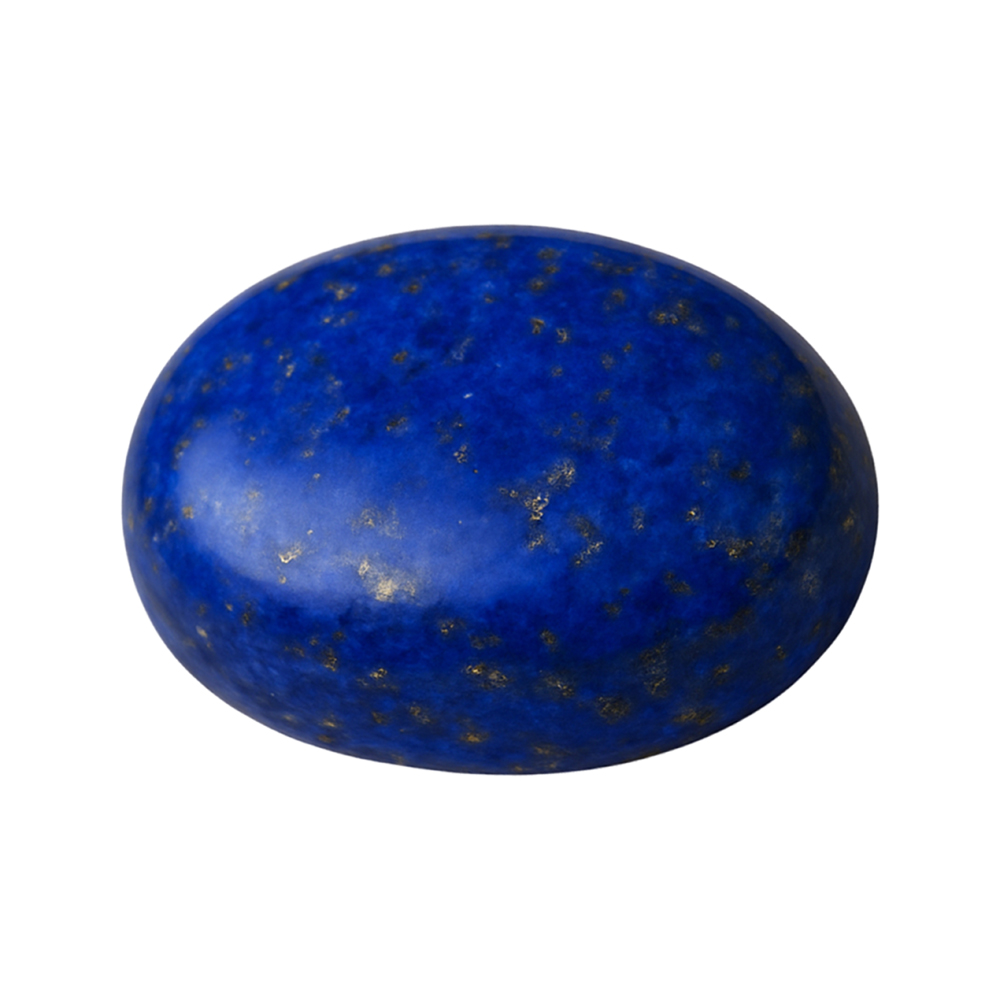
Lapis Lazuli

In Vedic Astrology, Lapis Lazuli, also known as "Lajwart" or "Lajvart" in Sanskrit, holds significance primarily in relation to the planet Saturn (Shani). Saturn is considered one of the most influential planets in Vedic Astrology, governing aspects of discipline, responsibility, perseverance, and karmic lessons.

  • Supports Mental Health
  • Calmer Personality
  • Emotional Balance
  • Creativity and Imagination
  • Stress and Anxiety Relief

Lapis Lazuli, a mesmerizing deep blue gemstone, holds significant astrological importance, particularly for those born under the signs of Sagittarius and Aquarius. Revered for its association with wisdom and self-awareness, this gemstone is believed to enhance spiritual insight and promote emotional healing. In Astrology, Lapis Lazuli is thought to help its wearers connect with their inner truth and express their thoughts clearly, fostering clarity in communication. Its vibrant hue symbolizes royalty and spiritual growth, making it a powerful ally for anyone seeking to deepen their understanding of themselves and the universe.

Here are some general guidelines on who might consider wearing Lapis Lazuli:

  1. Capricorn and Aquarius Ascendants: Individuals with Capricorn or Aquarius ascendants (Lagna) may be recommended to wear Lapis Lazuli as Saturn is the ruling planet for these zodiac signs. Wearing Lapis Lazuli can help strengthen Saturn and mitigate any malefic effects it may have in their birth charts.
  2. Weak or Afflicted Saturn: If Saturn is positioned unfavorably or is weak in an individual’s birth chart (horoscope), wearing Lapis Lazuli is believed to strengthen Saturn and enhance its positive influences. This is particularly relevant for individuals experiencing challenges related to Saturn, such as delays, obstacles, or hardships.
  3. Professions Requiring Discipline and Focus: Individuals in professions that require discipline, focus, and perseverance, such as scholars, researchers, scientists, and spiritual practitioners, may benefit from wearing Lapis Lazuli. It is believed to enhance Saturn-related qualities and support success in their endeavors.
  4. Mental Clarity and Wisdom: Saturn is associated with wisdom, maturity, and spiritual growth. Wearing Lapis Lazuli is believed to enhance mental clarity, promote deep introspection, and stimulate the intellect. It may be beneficial for individuals seeking to enhance their analytical skills and spiritual awareness.
  5. Protection from Negative Influences: Saturn is also associated with protection and karmic lessons. Wearing Lapis Lazuli is believed to create a protective shield around the wearer, warding off negative energies and facilitating the resolution of karmic challenges.
  6. Overcoming Sade Sati or Saturn Transit Effects: In Vedic Astrology, the transit of Saturn, particularly during the period known as “Sade Sati,” is believed to bring challenges and tests of character. Wearing Lapis Lazuli is sometimes recommended as a remedy to mitigate the effects of Saturn transits and alleviate difficulties associated with Sade Sati.

Here are some potential benefits of wearing Lapis Lazuli in Vedic Astrology:

  1. Strengthening Saturn’s Influence: Lapis Lazuli is thought to resonate with the energy of Saturn, and wearing this gemstone is believed to enhance Saturn’s positive influences in one’s life. Saturn governs qualities such as discipline, responsibility, perseverance, and wisdom, and wearing Lapis Lazuli may help strengthen these traits.
  2. Mitigating Malefic Effects of Saturn: Saturn’s influence in an individual’s birth chart (horoscope) can sometimes manifest as delays, obstacles, challenges, or hardships. Wearing Lapis Lazuli is considered a remedial measure to mitigate the malefic effects of Saturn and to lessen the severity of Saturn-related afflictions.
  3. Promoting Mental Clarity and Spiritual Growth: Lapis Lazuli is associated with mental clarity, introspection, and spiritual awareness. It is believed to stimulate the intellect, enhance analytical thinking, and facilitate deep meditation and spiritual practices. Wearing Lapis Lazuli may help individuals gain insights into karmic lessons and foster personal growth.
  4. Enhancing Protection and Karmic Balance: Saturn is also associated with protection and the resolution of karmic debts. Lapis Lazuli is considered a protective stone that creates a shield around the wearer, warding off negative energies and facilitating the resolution of karmic challenges. It may help individuals navigate through difficult times with resilience and equanimity.
  5. Assisting with Saturn Transits: During periods of significant Saturn transits, such as Sade Sati or Saturn return, wearing Lapis Lazuli is sometimes recommended as a supportive measure. It is believed to help individuals navigate the challenges and lessons presented by Saturn’s influence during these periods.
  6. Improving Communication and Expression: Lapis Lazuli is associated with the throat chakra, which governs communication, self-expression, and speaking one’s truth. Wearing Lapis Lazuli is believed to enhance communication skills, promote clarity of expression, and facilitate honest and authentic communication.
  7. Boosting Confidence and Self-Esteem: Saturn’s influence can sometimes manifest as feelings of self-doubt or insecurity. Wearing Lapis Lazuli is believed to promote self-confidence, self-esteem, and a sense of inner strength, helping individuals overcome self-imposed limitations and pursue their goals with determination.

It’s important to note that while Lapis Lazuli is believed to have astrological significance according to Vedic astrology, individual experiences may vary. Before wearing Lapis Lazuli for astrological purposes, it’s advisable to consult with a qualified astrologer or gemstone expert who can provide guidance tailored to your specific birth chart and circumstances. Additionally, ensure that the Lapis Lazuli gemstone is of good quality and obtained from a reputable source.

When considering the quality and price of Lapis Lazuli gemstones, several factors come into play:

Quality

  1. Color: High-quality Lapis Lazuli exhibits a deep, vivid blue color, often with golden pyrite inclusions and minimal white calcite streaks. The more intense the color, the higher the quality.
  2. Clarity: The best stones have a rich color with a uniform appearance. Lesser-quality stones may have noticeable inclusions or a lighter coloration.
  3. Cut: Well-cut stones enhance the stone’s natural beauty, allowing for maximum light reflection. Cabochon cuts are common for Lapis Lazuli.
  4. Size: Larger stones, particularly those over 5 carats, tend to be rarer and thus more valuable.

Price

  • Small Stones (1-3 carats): Typically range from $10 to $30 per carat.
  • Medium Stones (4-6 carats): Prices can range from $30 to $70 per carat.
  • Larger Stones (7 carats and above): Can range from $70 to $150 or more per carat, depending on quality.

These are general price ranges; actual prices may vary based on market demand and individual stone characteristics. For personalized recommendations or to find a gemstone that fits your astrological needs, consider consulting with a certified gemologist or reputable dealer.


Lapis Lazuli Jewelry Overview

Description: Lapis Lazuli is a stunning deep blue metamorphic rock prized for its intense color and historical significance. Often associated with royalty and spirituality, Lapis Lazuli has been used in jewelry for thousands of years, making it a timeless choice for elegant accessories.

Benefits and Properties:

  • Color: Rich, vibrant blue often flecked with golden pyrite inclusions.
  • Symbolism: Represents wisdom, truth, and enlightenment.
  • Healing Properties: Believed to enhance intellectual ability, stimulate the desire for knowledge, and aid in the process of learning.
  • Chakra Association: Associated with the Throat Chakra, promoting clear communication.

Types of Jewelry:

  • Necklaces: Lapis Lazuli beads or pendants create stunning statement pieces.
  • Bracelets: Striking charm bracelets or strand designs.
  • Earrings: Elegant stud or drop earrings featuring Lapis Lazuli.
  • Rings: Eye-catching cocktail or minimalist rings.

Care Instructions: To maintain the beauty of Lapis Lazuli jewelry:

  • Avoid exposure to harsh chemicals.
  • Clean with a soft cloth and mild soap solution.
  • Store separately to prevent scratches.

Styling Tips: Pair Lapis Lazuli jewelry with gold or silver accents for a luxurious look. It complements earth tones, white, and denim beautifully, making it versatile for both casual and formal settings.

Conclusion

Lapis Lazuli jewelry is not just a fashion accessory but a piece of art imbued with history and spiritual significance. Its captivating beauty makes it a perfect gift for loved ones or a cherished item for oneself.

Caring for and cleaning Lapis Lazuli gemstones involves specific steps to maintain their beauty and integrity:

Cleaning:

  1. Use Mild Soap and Water: Mix a small amount of mild soap with lukewarm water. Dip a soft cloth or sponge into the solution and gently wipe the surface of the stone. Do not soak the gemstone.
  2. Avoid Harsh Chemicals: Stay away from abrasive cleaners, acids, or any harsh chemicals, as they can damage the stone’s surface.
  3. Soft Brush: For intricate designs or settings, use a soft-bristled toothbrush to gently clean away dirt or debris.
  4. Rinse and Dry: After cleaning, rinse the gemstone under lukewarm running water to remove any soap residue. Pat dry with a soft, lint-free cloth.

Care:

  1. Store Properly: Keep Lapis Lazuli away from hard surfaces to prevent scratches. Store it in a soft pouch or a lined jewelry box to protect it from damage.
  2. Avoid Direct Sunlight: Prolonged exposure to sunlight can fade the color of Lapis Lazuli. Store it in a cool, dark place to preserve its vibrant hue.
  3. Keep Away from Heat: Avoid placing Lapis Lazuli near heat sources, as high temperatures can cause damage.
  4. Limit Exposure to Oils and Lotions: Be cautious of applying lotions, perfumes, or oils while wearing Lapis Lazuli, as these can dull its surface.

By following these cleaning and care tips, you can enhance the longevity and appearance of your Lapis Lazuli gemstone.

When considering the purchase of Lapis Lazuli gemstones, keep the following “buyer beware” tips in mind:

  1. Color and Quality: Authentic Lapis Lazuli should have a deep blue color, often with subtle flecks of gold (pyrite) and white (calcite). Beware of overly uniform or bright blue stones, as they may be treated or synthetic.
  2. Treatment and Enhancements: Some Lapis Lazuli is treated to enhance its color or clarity. Ensure you ask the seller if the stone has been treated and seek certification if possible.
  3. Source of the Gemstone: Lapis Lazuli is primarily mined in Afghanistan. Be cautious of stones claiming to be from other locations, as they may not be genuine.
  4. Price: If the price seems too good to be true, it probably is. High-quality Lapis Lazuli can be expensive, so be wary of significantly low prices that may indicate inferior quality or imitation.
  5. Imitation Products: There are many synthetic or imitation stones on the market. Research and familiarize yourself with the characteristics of authentic Lapis Lazuli to distinguish it from imitations.
  6. Seller Reputation: Always buy from reputable dealers or sources with positive reviews and a clear return policy. Check for certifications where available.

By staying informed and cautious, you can enhance your chances of purchasing a genuine Lapis Lazuli gemstone.

Lapis Lazuli is a deep blue gemstone composed primarily of the mineral Lazurite, along with other minerals such as calcite and pyrite. It is prized for its vibrant blue color and has been used for thousands of years for Astrological purpose.

Lapis Lazuli is found in various locations around the world, but some of the most renowned sources include mines in Afghanistan, Chile, Russia, and the United States. Afghan Lapis Lazuli, in particular, is highly prized for its intense blue color and fine quality.

Lapis Lazuli typically has a deep blue color with varying shades of blue, along with characteristic veins of white calcite and golden pyrite. It has a hardness of 5 to 5.5 on the Mohs scale and is often fashioned into cabochons, beads, and carvings.

Lapis Lazuli has a rich history and cultural significance, dating back thousands of years. It has been used by ancient civilizations for astrological purpose. In many cultures, Lapis Lazuli is associated with wisdom, truth, and spiritual enlightenment.

Lapis Lazuli is believed to have various metaphysical properties, including enhancing communication, promoting self-expression, and stimulating mental clarity. It is associated with the throat chakra and is thought to facilitate honest and authentic communication.

Lapis Lazuli is relatively soft compared to other gemstones, so it should be handled with care to avoid scratches and damage. Clean Lapis Lazuli jewelry gently with a soft cloth and avoid exposure to harsh chemicals, ultrasonic cleaners, and high temperatures.

Lapis lazuli is generally stable under normal light conditions, but prolonged exposure to sunlight or heat can cause its color to fade over time. It's advisable to store Lapis Lazuli jewelry away from direct sunlight when not in use to preserve its color and luster.

Natural Lapis Lazuli is usually untreated, but some specimens may undergo treatments to enhance their color or stability. Common treatments include dyeing to intensify the blue color or surface coatings to improve luster. It's important to disclose any treatments when selling or purchasing Lapis Lazuli.

While Lapis Lazuli is relatively durable, it may not be suitable for everyday wear, especially in high-impact activities. It's best to reserve Lapis Lazuli jewelry for special occasions and take care to avoid situations where it may be subjected to rough handling or impact.

Genuine Lapis Lazuli should exhibit a deep blue color with characteristic veins of white calcite and golden pyrite. It should have a smooth, polished surface and a relatively uniform texture. To ensure authenticity, purchase lapis lazuli from reputable dealers who provide certification or documentation.