 Cart is empty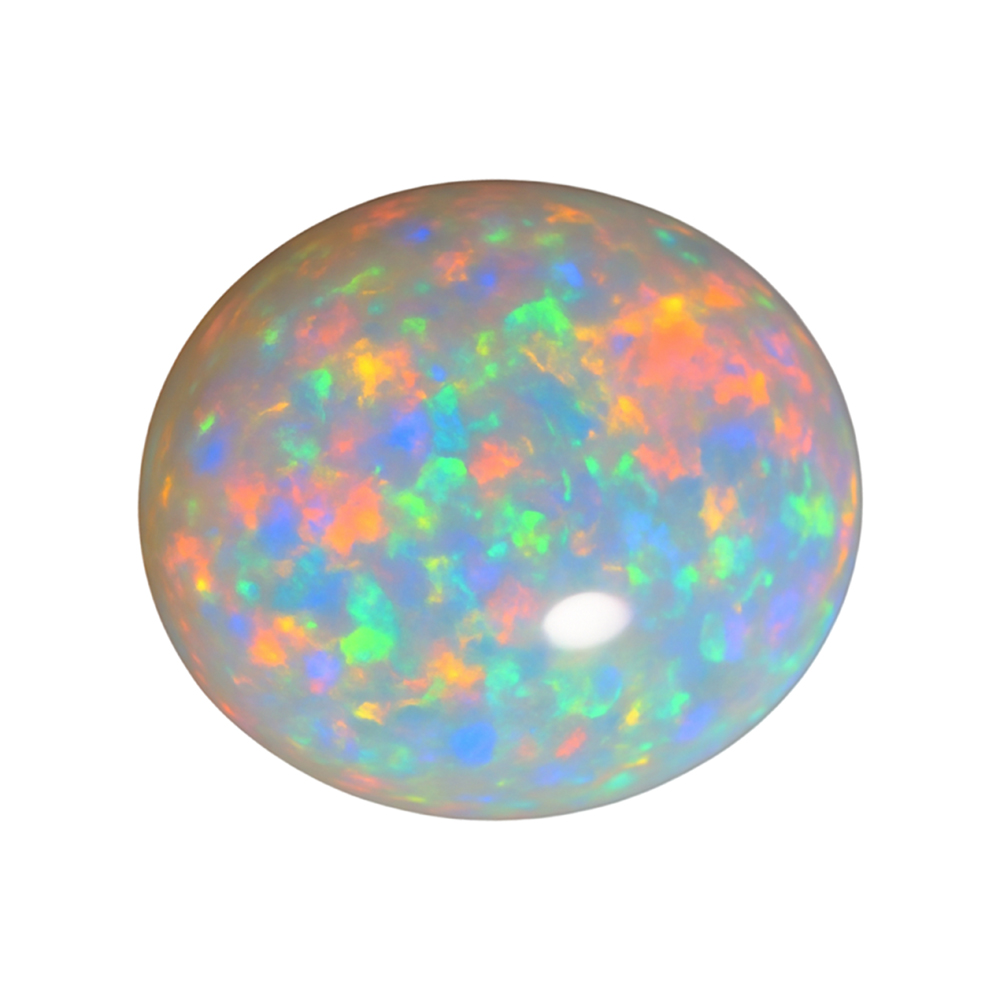
Opal is highly valued in Vedic Astrology as the gemstone of Venus. It is believed to bring prosperity, luxury, and marital harmony to the wearer. Opal is a stunning and mystical gemstone known for its play-of-color, where vibrant hues shift and shimmer when viewed from different angles. It is composed of hydrated silica and contains microscopic spheres that diffract light, creating its mesmerizing iridescence.
- Emotional Balance
- Creativity and Imagination
- Wisdom and Clarity
- Rejuvenates Health
- Sudden Gain
- Protection from Negative Energies
Opal is a semi-precious gemstone known for its magical “play of color”—a shifting rainbow effect seen when light hits the stone. Unlike most gemstones, Opal is not crystalline; it’s made of hydrated silica with microscopic spheres that diffract light.
Types of Opal
White Opal – Milky white base with rainbow flashes (most common)
Black Opal – Dark base with vivid colors (rarest & most valuable)
Fire Opal – Orange to red body color, sometimes transparent
Boulder Opal – Opal formed within ironstone
Crystal Opal – Transparent to semi-transparent with strong color play
Ethiopian Opal – Popular, affordable, strong color play (needs care)
Major Sources
-
Australia – World’s finest Opals (Black, White, Boulder)
-
Ethiopia – Modern discovery, vibrant colors
-
Mexico – Famous for Fire Opals
-
Brazil – Crystal and white opals
Key Characteristics
-
Hardness: 5.5–6.5 on Mohs scale
-
Luster: Vitreous to waxy
-
Transparency: Opaque to transparent
-
Water Content: 3–10% (important for care)
Astrological Significance
-
Associated with Venus (Shukra)
-
Symbolizes love, beauty, luxury, creativity, charm
-
Often suggested as a substitute for Diamond
-
Zodiac signs often linked: Taurus & Libra (Venus-ruled)
Uses
-
Rings, pendants, earrings, bracelets
-
Widely used in Astrology and luxury jewelry
-
Popular among artists, designers, and gemstone collectors
How to Identify a Natural Opal
-
Natural Opal shows irregular, non-repeating color patterns
-
Colors shift with viewing angle
-
Glass or synthetic Opals show too-perfect patterns
-
Certification from labs like IGL, GII, GSI, GJSPC is recommended
Care & Precautions
-
Avoid heat, chemicals, and perfumes
-
Do not soak in water for long periods
-
Clean gently with a soft cloth
-
Store separately to avoid scratches
Value Factors (4C + 1)
-
Color play (brightness & variety)
-
Body tone (darker = higher value)
-
Clarity
-
Cut
-
Origin
Interesting Facts
-
Each Opal is unique—no two are alike
-
Ancient cultures believed Opal brought luck and protection
-
October birthstone
-
Called the “Queen of Gems” in history
In Vedic Astrology, Opal (Upala) is associated with the planet Venus (Shukra). It’s generally worn to strengthen Venus-related qualities like love, beauty, luxury, creativity, and harmony in relationships.
Who should wear Opal
Opal is considered beneficial for people who:
-
Have weak or afflicted Venus in their birth chart.
-
Are running Venus Mahadasha or Antardasha.
-
Work in fields related to art, fashion, music, film, design, cosmetics, hospitality, or luxury goods.
-
Face issues related to:
-
Love life or marriage
-
Financial instability despite effort
-
Lack of charm, confidence, or creativity
-
Reproductive or hormonal issues (traditionally associated with Venus)
-
Favorable ascendants (often):
-
Taurus (Vrishabha) – Venus is the ruler
-
Libra (Tula) – Venus is the ruler
-
Capricorn and Aquarius – Venus can be a yogakaraka in some cases
Who should avoid Opal (or wear only after consultation)
-
If Venus is malefic in your chart (e.g., badly placed in 6th, 8th, or 12th house)
-
If Venus rules unfavorable houses for your ascendant
-
People with tendencies toward:
-
Over-indulgence
-
Addiction
-
Relationship instability
(Opal can amplify Venus energy—good or bad)
-
How to wear Opal (traditional guidance)
-
Metal: Gold, Silver or white gold
-
Finger: Index or Ring finger
-
Hand: Right hand (men), left hand (women)
-
Day: Friday
-
Time: Morning during Shukla Paksha
-
Weight: Usually 6–8 carats (can vary)
-
Mantra:
“ Om Dram Dreem Droum Sah Shukraya Namah” (108 times before wearing)
Benefits of wearing an Opal gemstone, as per Vedic Astrology
Planetary Connection
-
Opal represents Venus (Shukra) — the planet of love, beauty, luxury, creativity, and relationships.
Emotional & Relationship Benefits
-
Opal enhances love, romance, and marital harmony.
-
Opal helps attract positive relationships and improves emotional bonding.
-
Opal reduces misunderstandings between partners.
Creativity & Career
-
Opal boosts artistic talent, creativity, and imagination.
-
Opal is beneficial for people in fashion, music, acting, design, luxury business, gemstones, and beauty industries.
-
Opal helps bring fame and recognition when Venus is favorable.
Wealth & Comfort
-
Opal attracts luxury, comfort, and financial stability.
-
Opal supports success in businesses linked to art, glamour, gemstones, hotels, perfumes, and vehicles.
Mental & Personal Growth
-
Opal improves self-confidence and charm.
-
Opal helps balance emotions and reduce stress.
-
Opal encourages optimism and joy in life.
Health (Astrological Belief)
-
Opal is said to help with issues related to skin, eyes, kidneys, and reproductive health.
-
Opal supports overall vitality when Venus is weak in the horoscope.
Important Notes
-
Opal is powerful and should ideally be worn after horoscope analysis.
-
If Venus is malefic, opal may cause over-indulgence or emotional instability.
-
Opal is usually worn in gold, silver or white gold, on the ring finger, on Friday.
How Opal Quality Is Graded
Opal value is mainly determined by the 4Cs + Origin, with emphasis on play-of-color:
Play-of-Color
-
Most important quality factor
-
Brighter, broader spectrum & multi-directional colors = higher value
-
Patterns like harlequin, flash, flagstone are premium qualities
Body Tone
-
Black Opal (dark body tone) shows the strongest contrast and is most valuable
-
White/crystal Opal has lighter tones and is comparatively affordable
Clarity
-
Eye-clean stones (few or no inclusions/cracks) are more valuable
-
Hydrophane (especially some Ethiopian opals) can change appearance when wet — a care consideration
Cut & Shape
-
Well-cut cabochons with balanced thickness, symmetry, and polish will display color play better
-
Larger stones with strong play-of-color are rarer and command higher prices
Origin
-
Australian Opals (especially Lightning Ridge black Opal) — most prized
-
Ethiopian and Mexican Opals — beautiful but usually lower price tier
Typical Price Ranges (Per Carat)
Note: Prices vary widely by quality, origin, certification and market demand.
| Opal Type | Typical Price Range (Per Carat) | Notes |
|---|---|---|
| Black Opal | ₹8,000 – ₹1,50,000+ (India approx.) | Rare, very bright color play is premium |
| White Opal | ₹500 – ₹5,000+ | Everyday jewellery, broader range from common to fine |
| Fire Opal (with play-of-color) | ₹1,500 – ₹6,000 | Bright orange/red hues add value |
| Ethiopian Opal | ₹800 – ₹4,500+ | Can be very vibrant — clarity & play-of-color matter |
| Boulder Opal | ₹3,000 – ₹12,000+ | Ironstone backing supports durability & color contrast |
Ultra-premium black Opals from top Australian sources can exceed ₹1,50,000+ per carat or even much higher for spectacular specimens with strong red flashes and rare patterns.
Notes on Pricing
Large vs Small
-
Size usually increases price, but quality matters most — a small vivid stone can be worth more than a larger dull one.
Certification
-
Always ask for a gemological report from a trusted lab (like GII, GSI, GJSPC — especially for higher-value Opals — to verify natural origin and quality.
Set vs Loose
-
Finished jewellery with good craftsmanship and precious metals adds metal + labour markup on top of the stone value.
Quick Buyer Tips
✔ Inspect color play under multiple lights before buying.
✔ Ask if the Opal is natural, treated, doublet or triplet — treatment affects value.
✔ Be cautious of too-good-to-be-true pricing, especially online.
Popular Opal Jewellery Types
Rings
-
Showcase the Opal prominently.
-
Best when the stone size and color play are visible from multiple angles.
-
Ideal shapes: oval, round, freeform, cushion.
Pendants & Necklaces
-
Great for larger stones and dramatic color play.
-
Often paired with diamond accent stones for sparkle.
Earrings
-
Styles: studs, drops, hoops with opal accents.
-
Mirror-like stones or matching pairs are preferred.
Bracelets
-
Bezel or channel-set opals in bangles or link bracelets.
-
Comfortable for everyday wear (choose protected settings).
Brooches & Pins
-
Statement pieces, especially with vintage or artistic designs.
Metals Commonly Used
Gold
-
Yellow Gold — warm contrast for fire opals.
-
White Gold / Platinum — modern look, enhances cooler rainbow flashes.
-
Rose Gold — romantic tone; works well with milder hues.
Silver
-
Classic choice for opals (Venus-related in Astrology).
-
Affordable and great for everyday wear.
Mixed Metal
-
Combines metals (e.g., gold + silver) to balance warmth and durability.
Settings & Protection
Bezel Setting
-
Metal surrounds the stone’s edge → best protection.
-
Ideal for softer stones like Opal.
Prong Setting
-
Shows more Opal surface but offers less protection.
-
Use for pendants and earrings with less impact risk.
Halo Setting
-
Accented by diamonds or zircons → enhances color play.
Inlay / Channel
-
Opals set into grooves → secure and modern.
4. Choosing the Right Opal Jewellery
Color Play
-
Strong, vibrant, multi-directional play of color = higher beauty & value.
Body Tone
-
Darker base (especially black opal) = more contrast, richer look.
-
White or crystal Opals look elegant and softer.
Shape & Size
-
Larger stones show more color flashes.
-
Symmetry and polish quality matter.
Matching in Pairs
-
For earrings, pairs should have similar color intensity and patterns.
Accent Stones
-
Diamonds or CZ enhance brilliance and ring presence.
Styling Tips
Everyday Wear
-
Simple silver or bezel-set rings/pendants.
-
Small Opal studs or minimalist designs.
Special Occasions
-
Statement pendants or cocktail rings with halo settings.
-
Pair with complementary stones (e.g., diamonds, sapphires).
Layering
-
Thin chains with small Opal pendants layered with gold chains.
Care for Opal Jewellery
Opal is softer — handle gently
✔ Avoid sharp knocks
✔ Remove during chores, sports, gardening
✔ Don’t expose to strong heat/chemicals
✔ Clean with soft cloth & mild soap
✔ Store separately (pouch or box)
Price & What Affects It
Factors influencing jewellery price:
-
Opal color play intensity
-
Body tone (black > crystal > white generally)
-
Size & cut
-
Metal used (gold/platinum more expensive than silver)
-
Brand and craftsmanship
Quick Buying Checklist
-
☐ Certified gemstone (lab report)
-
☐ Stable, no large cracks or crazing
-
☐ Color visible from multiple angles
-
☐ Secure metal setting
-
☐ Comfortable fit
How to Clean Opal (Safe Method)
Best & safest way:
Use lukewarm water (not hot).
Add a drop of mild soap.
Gently clean with a soft cloth or very soft brush.
Rinse quickly with clean water.
Pat dry immediately with a soft towel.
✔ Clean only when needed
✔ Always be gentle
✖ Never scrub hard
What to AVOID (Very Important)
-
No ultrasonic cleaners
-
No steam cleaners
-
No harsh chemicals
-
Avoid detergents, alcohol, acetone
-
Avoid direct sunlight for long periods
-
Avoid sudden temperature changes
-
Opal contains water (3–10%) — heat or chemicals can cause cracks (“crazing”).
Daily Wear Precautions
-
Remove Opal jewellery while:
-
Cleaning, washing dishes
-
Exercising or sports
-
Gardening or heavy work
-
-
Wear Opal after applying perfume, lotion, or hair spray
-
Rings should ideally be worn on low-impact days
Pro tip: Bezel-set Opals last much longer than exposed prong settings.
Storage Tips
-
Store Opal separately (it scratches easily)
-
Keep in a soft pouch or padded box
-
Avoid dry environments for long storage
-
For long-term storage:
-
Place a slightly damp cotton nearby (not touching the stone)
-
✖ Never store Opal loose with diamonds or sapphires
Special Care by Opal Type
Ethiopian Opal
-
More porous
-
Avoid water soaking
-
Remove before washing hands
Australian Opal
-
More stable
-
Still needs gentle handling
Doublets / Triplets
-
Extra care needed
-
Avoid water exposure completely
Signs Your Opal Needs Attention
-
Fine cracks on surface
-
Dull appearance
-
Loss of color play
Long-Term Care Tips
✔ Wear occasionally, not daily
✔ Get settings checked once a year
✔ Clean gently at home
✔ Avoid heat & dryness
Featured Products