 Cart is empty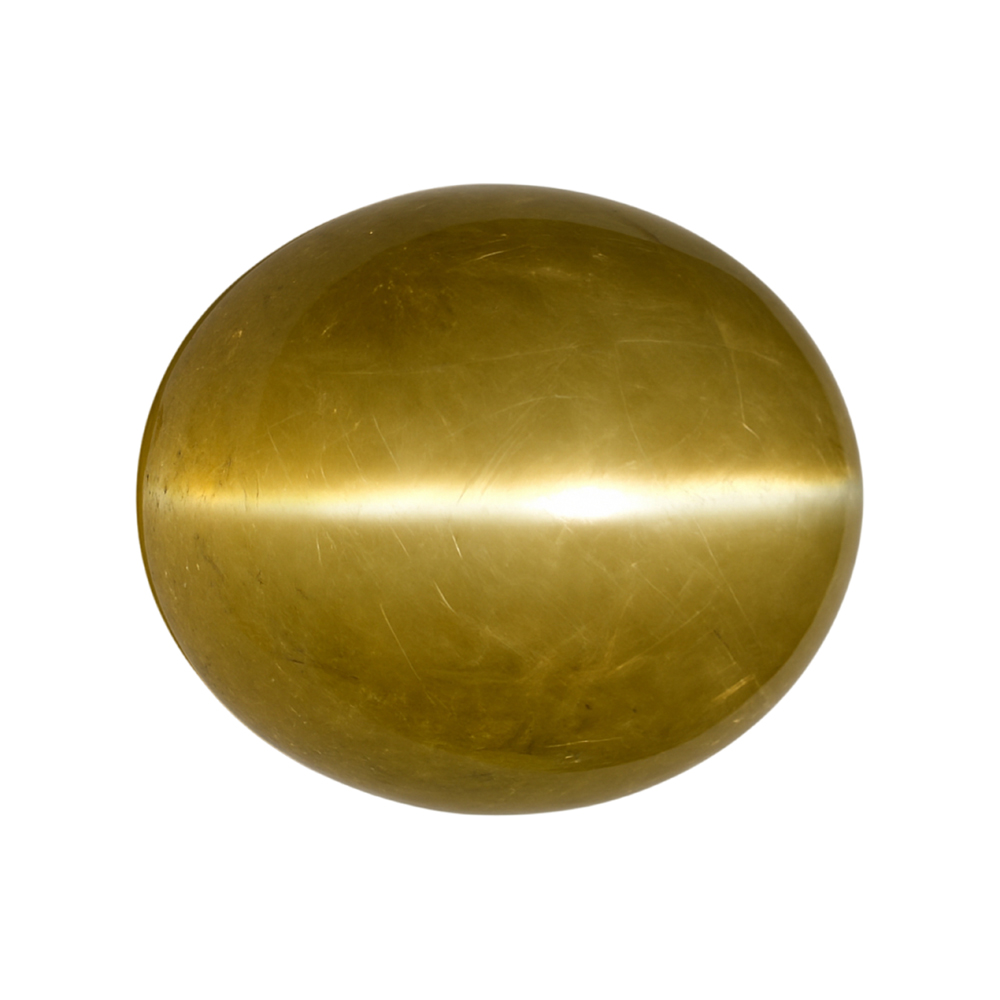
Cat's Eye gemstone, also known as "Lehsunia" or "Vaidurya" in Sanskrit, is a captivating gemstone with a unique optical phenomenon called chatoyancy. This phenomenon creates a narrow band of concentrated light that moves across the gemstone's surface, resembling the slit eye of a cat when it's illuminated.
- Enhanced Intuition and Psychic Abilities
- Emotional Balance
- Physical Healing
- Provides Spiritual Protection
- Prosperity and Abundance
In Astrology and gemstone lore, Cat’s Eye is believed to possess powerful metaphysical properties. It’s often associated with the planet Ketu (South Node of the Moon) and is considered to bring luck, prosperity, and protection to the wearer. It’s also believed to enhance intuition and spiritual insight. Cat’s Eye gemstones come in various colors, including green, yellow, brown, gray, and white. The most sought-after Cat’s Eye gemstone is the chrysoberyl Cat’s Eye, prized for its sharp, distinct Cat’s Eye effect and its association with good fortune and protection.
In Vedic Astrology, Cat’s Eye gemstone is associated with the planet Ketu. According to Vedic astrological beliefs, wearing Cat’s Eye gemstone can be beneficial for individuals under specific astrological conditions or influenced by Ketu in their birth chart. Here are some situations in which wearing Cat’s Eye gemstone may be recommended:
- Afflicted Ketu: If Ketu is afflicted or negatively positioned in the birth chart, wearing Cat’s Eye gemstone is believed to pacify the malefic influence of Ketu and mitigate its negative effects.
- Ketu Dasha or Mahadasha: During the period ruled by Ketu (Ketu Dasha or Mahadasha), wearing Cat’s Eye gemstone is often recommended to help navigate the challenges and harness the potential benefits associated with Ketu’s influence.
- Ketu in Beneficial Houses: If Ketu is positioned in certain beneficial houses in the birth chart, such as the 3rd, 6th, 10th, or 11th house, wearing Cat’s Eye gemstone may enhance the positive attributes associated with those houses.
- Spiritual Pursuits: Cat’s Eye gemstone is believed to have a strong connection with spiritual growth and enlightenment. Individuals who are inclined towards spiritual pursuits or seeking deeper spiritual insight may choose to wear Cat’s Eye gemstone for its metaphysical properties.
- Protection and Luck: In Vedic Astrology, Cat’s Eye gemstone is associated with protection, good luck, and warding off negative energies. Individuals seeking protection from malevolent forces or hoping to attract good fortune may opt to wear Cat’s Eye gemstone.
It’s important to note that wearing gemstones in Vedic Astrology is often recommended based on individual birth charts (horoscopes) and astrological consultations with experienced Vedic astrologers. Gemstones like Cat’s Eye are believed to have specific effects depending on various astrological factors, and their suitability for an individual can vary based on their unique astrological profile. Therefore, it’s advisable to consult with a qualified Vedic astrologer before wearing Cat’s Eye gemstone or any other gemstone for astrological purposes.
Cat’s Eye gemstone is attributed with several benefits and properties:
- Protection: Cat’s Eye is often believed to offer protection against negative energies, psychic attacks, and evil spirits. It is said to act as a shield, guarding the wearer from harm and misfortune.
- Good Luck: This gemstone is associated with bringing good luck and fortune to the wearer. It is believed to attract abundance, prosperity, and success in endeavors.
- Enhanced Intuition: Cat’s Eye is thought to stimulate intuition and psychic abilities. It is said to sharpen one’s inner vision, helping the wearer see through illusions and make wise decisions.
- Spiritual Insight: The gemstone is often linked to spiritual growth and enlightenment. It is believed to aid in meditation, inner reflection, and the pursuit of higher knowledge.
- Stability and Grounding: Cat’s Eye is associated with providing stability and grounding energy. It can help the wearer stay grounded during times of change or upheaval, promoting a sense of security and balance.
- Physical Healing: In some belief systems, Cat’s Eye is believed to have healing properties, particularly related to eye disorders, digestion, and circulation issues. It is said to promote vitality and physical well-being.
- Emotional Balance: Cat’s Eye is thought to help regulate emotions and calm turbulent feelings. It may promote emotional balance, inner peace, and resilience in the face of challenges.
- Decision Making: Some believe that wearing Cat’s Eye can aid in decision-making processes by providing clarity of thought and helping the wearer trust their instincts.
It’s important to note that these benefits are based on traditional beliefs and anecdotal evidence rather than scientific research. As with any alternative therapy or metaphysical practice, individual experiences with Cat’s Eye gemstone may vary, and it’s essential to approach its use with an open mind and a healthy dose of skepticism.
The quality and price of Cat’s Eye gemstones can vary significantly based on several factors:
- Cat’s Eye Effect (Chatoyancy): The most important factor determining the quality of a Cat’s Eye gemstone is the strength, clarity, and movement of the Cat’s Eye effect. A sharp, well-defined band of light moving across the stone’s surface is highly desirable. The more distinct and prominent the Cat’s Eye effect, the higher the quality and price of the gemstone.
- Color: The color of the Cat’s Eye gemstone also influences its quality and value. Chrysoberyl Cat’s Eye with a golden or honey color are highly sought after, while greenish and bluish hues is also popular. The intensity and saturation of the color play a significant role in determining the gemstone’s attractiveness and price.
- Clarity: Like other gemstones, clarity refers to the absence of visible inclusions or flaws within the stone. A Cat’s Eye gemstone with excellent clarity, free from visible imperfections, commands a higher price.
- Transparency: Transparency refers to how easily light passes through the gemstone. A transparent or semi-transparent Cat’s Eye gemstone is generally considered more valuable than an opaque one.
- Cut: The quality of the cut affects the appearance and brilliance of the Cat’s Eye gemstone. A well-cut stone will showcase the Cat’s Eye effect to its fullest extent, enhancing its overall beauty and value.
- Carat Weight: As with any gemstone, larger Cat’s Eye gemstones are rarer and typically command higher prices per carat compared to smaller stones.
- Treatment: While natural Cat’s Eye gemstones are highly prized, some may undergo treatments to enhance their color or clarity. Untreated stones are generally considered more valuable than treated ones.
As for prices, Cat’s Eye gemstones can range from relatively affordable to quite expensive, depending on the factors mentioned above. High-quality Chrysoberyl Cat’s Eye with strong Cat’s Eye effects and desirable colors can command prices ranging from hundreds to thousands of dollars per carat, especially for larger stones with exceptional characteristics. On the other hand, lower-quality Cat’s Eye gemstones with weaker Cat’s Eye effects or less desirable colors may be more affordable, starting from tens to hundreds of dollars per carat.
When purchasing Cat’s Eye gemstones, buyers should be aware of certain factors to ensure they are getting a genuine and high-quality gemstone:
- Authenticity: Ensure that the Cat’s Eye gemstone you are buying is genuine. Unfortunately, synthetic and imitation Cat’s Eye gemstones exist in the market. Verify the authenticity of the stone through reputable dealers or gemological laboratories.
- Cat’s Eye Effect: Inspect the stone closely to ensure that it exhibits a clear and well-defined Cat’s Eye effect. The band of light should be sharp, distinct, and centered on the stone’s surface. Avoid stones with weak or fuzzy Cat’s Eye effects, as they may be of lower quality.
- Color: Consider the color of the Cat’s Eye gemstone. While golden or honey-colored Chrysoberyl Cat’s Eyes are highly prized, other colors such as green, gray, or yellow can also be attractive. Be wary of artificially enhanced colors or treated stones that may not be natural.
- Clarity and Transparency: Examine the clarity and transparency of the gemstone. Look for stones with minimal visible inclusions and good transparency, as these factors can affect the overall beauty and value of the Cat’s Eye gemstone.
- Origin: The origin of the Cat’s Eye gemstone can sometimes affect its value and desirability. Certain origins, such as Sri Lanka and Brazil, are known for producing high-quality Cat’s Eye gemstones. However, origin alone should not be the sole determinant of a stone’s quality.
- Certification: Consider purchasing Cat’s Eye gemstones that come with gemological certificates from reputable laboratories. These certificates provide assurance of the gemstone’s authenticity, quality, and characteristics.
- Treatment: Inquire about any treatments or enhancements that the Cat’s Eye gemstone may have undergone. Some treatments, such as heat treatment, may be acceptable and common, while others may significantly affect the stone’s value or durability.
- Price: Be cautious of deals that seem too good to be true. While Cat’s Eye gemstones can vary in price depending on their quality and characteristics, excessively low prices may indicate a lower-quality or synthetic stone.
By being vigilant and knowledgeable about these factors, buyers can make informed decisions when purchasing Cat’s Eye gemstones and ensure that they are getting a genuine, high-quality gemstone at a fair price.
Featured Products